We're in the
business of
building
businesses.
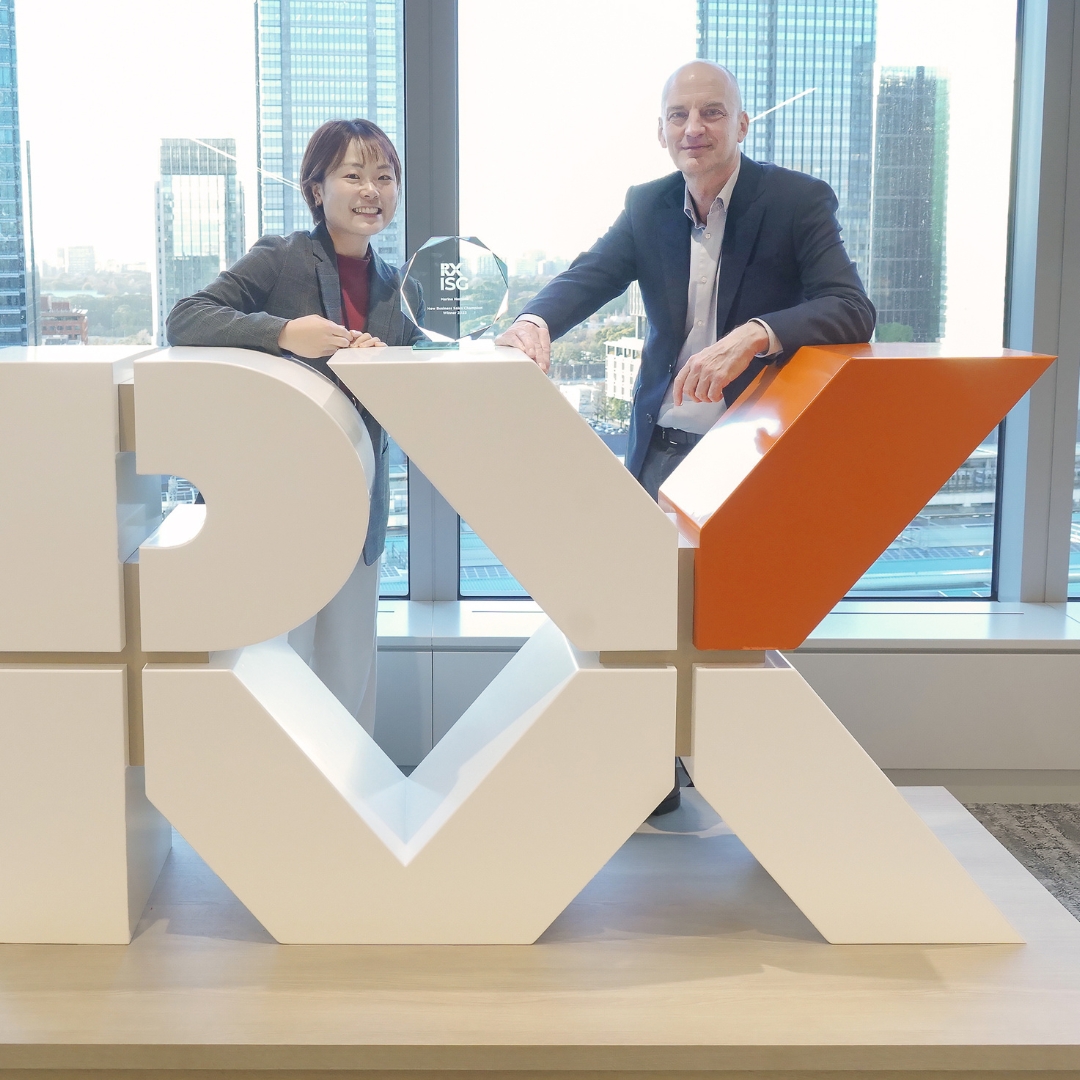
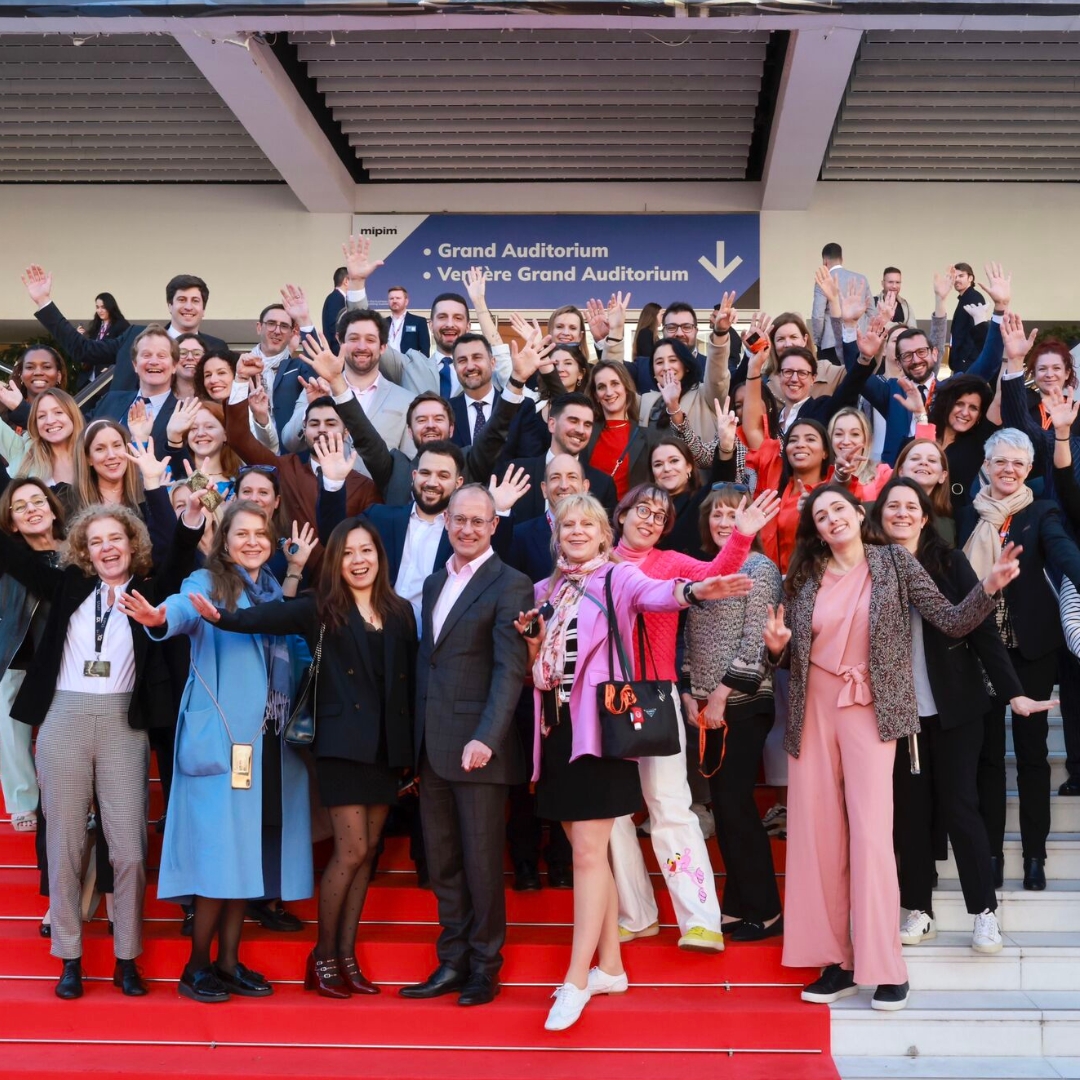
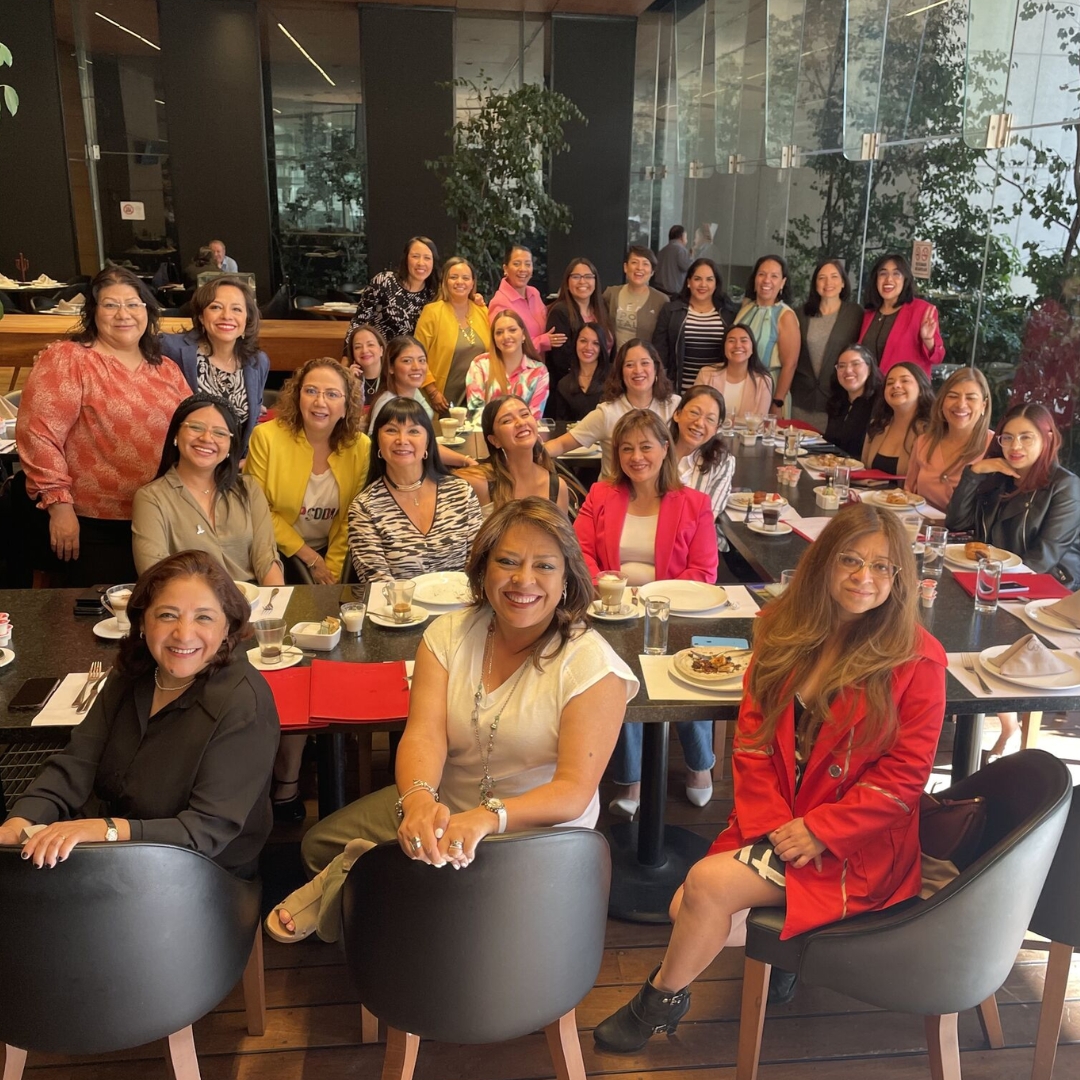
We are in the business of building businesses so everyone can thrive whoever and wherever you are.
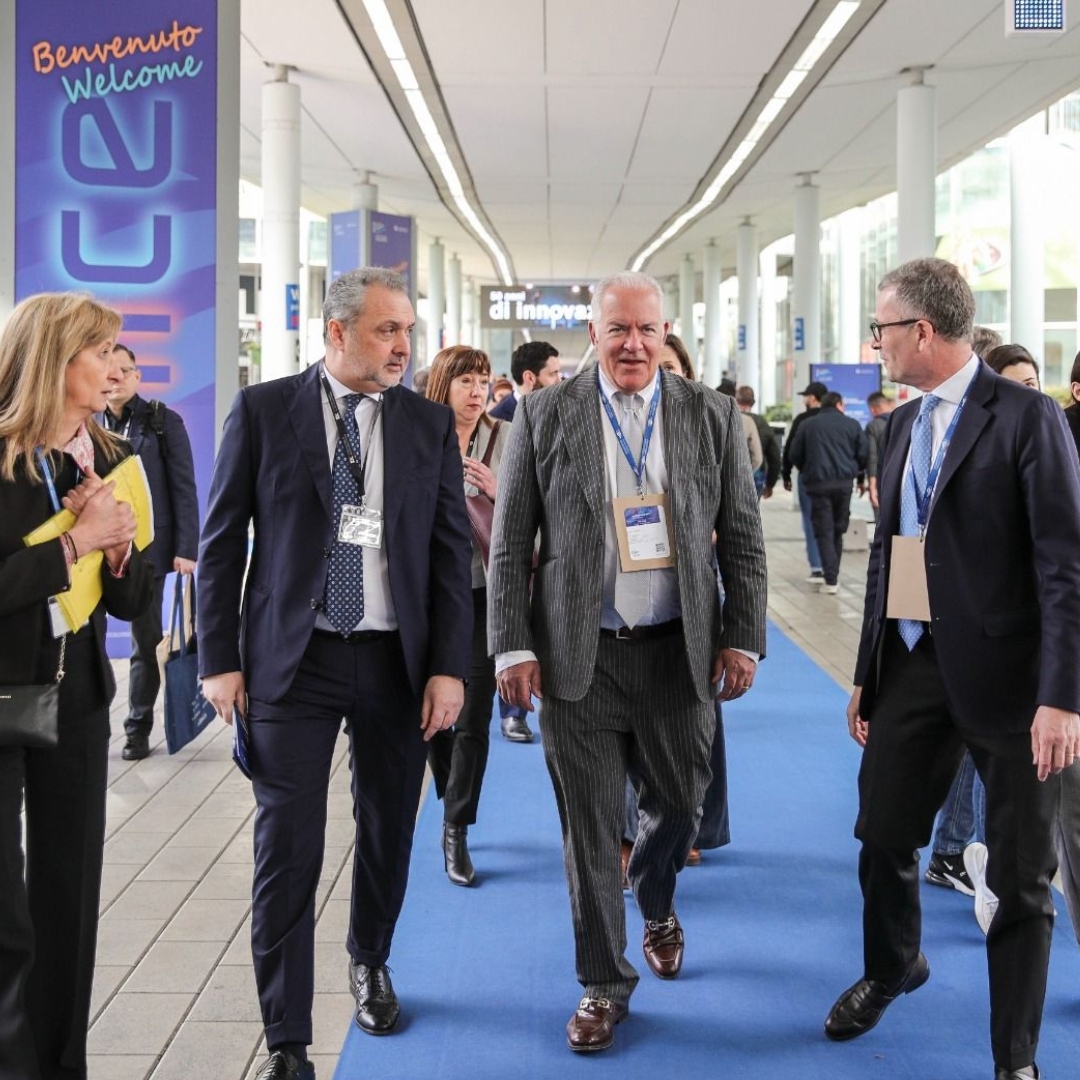
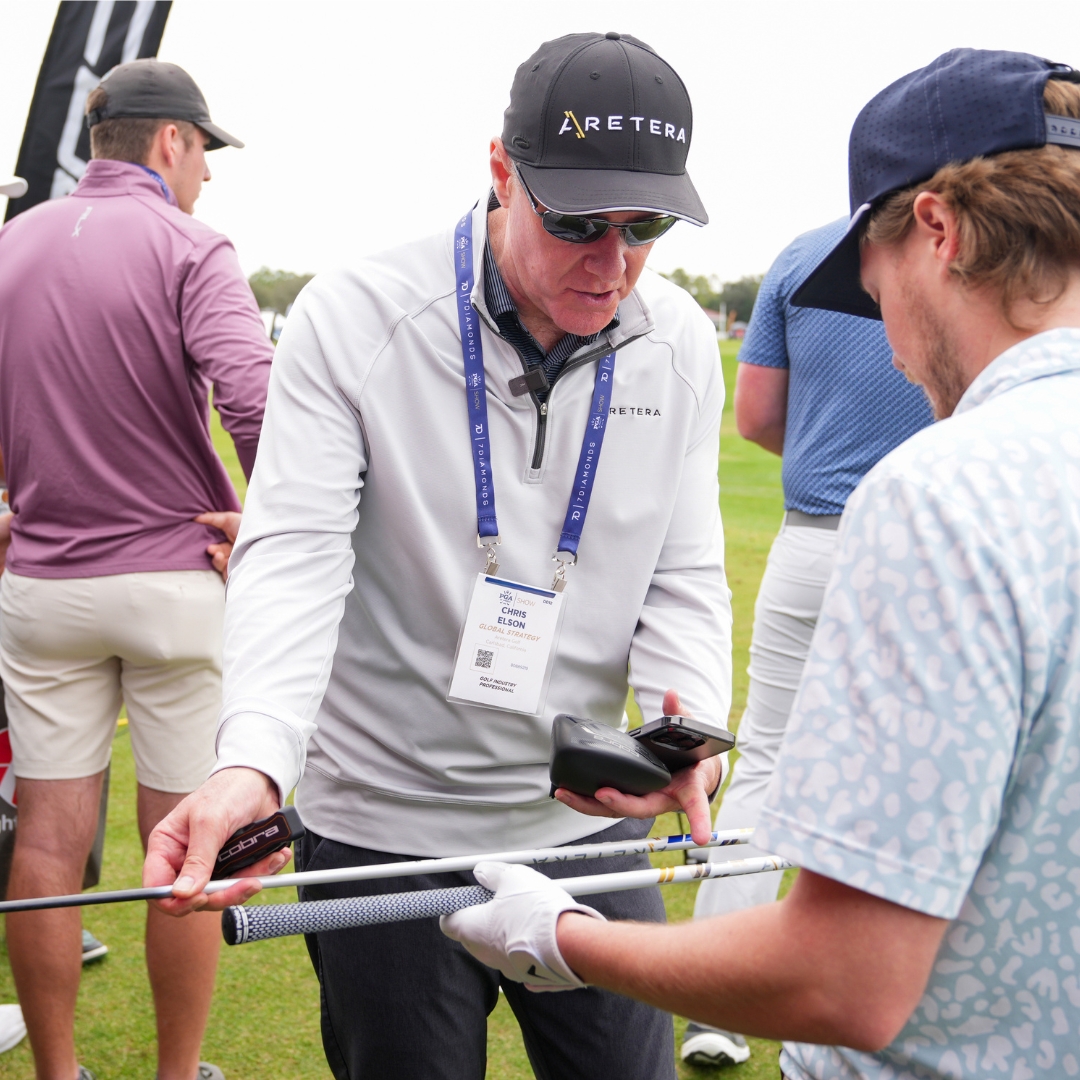
Our flagship global events will always be our pride and focus, but we're now building on these, creating year-round communities with shared passions and purpose, designed to help businesses and people grow continually.

Promotional Goods Expo [Spring]
Asia » Japan > Tokyo
17th - 19th April 2024
Tokyo Big Sight
 Event website
Sales Support Expo [Spring]
Asia » Japan > Tokyo
17th - 19th April 2024
Tokyo Big Sight

Advertising Media Expo [Spring]
Asia » Japan > Tokyo
17th - 19th April 2024
Tokyo Big Sight

WEB & Social Media Marketing Expo [Spring]
Asia » Japan > Tokyo
17th - 19th April 2024
Tokyo Big Sight

Customer Experience Management Expo [Spring]
Asia » Japan > Tokyo
17th - 19th April 2024
Tokyo Big Sight

Data Insight Expo [Spring]
Asia » Japan > Tokyo
17th - 19th April 2024
Tokyo Big Sight

EC Acceleration Expo [Spring]
Asia » Japan > Tokyo
17th - 19th April 2024
Tokyo Big Sight

Creative Tech Expo [Spring]
Asia » Japan > Tokyo
17th - 19th April 2024
Tokyo Big Sight

ITS America Conference & Expo
The Americas » United States > Phoenix
22nd - 25th April 2024
Phoenix Convention Center
Hybrid
INTERTOOL
Europe » Austria > Wels
23rd - 26th April 2024
Messe Wels

Hybrid
SCHWEISSEN
Europe » Austria > Wels
23rd - 26th April 2024
Messe Wels

Hybrid
Electronics Manufacturing Korea
Asia » South Korea > Seoul
24th - 26th April 2024
COEX
NEPCON China
Asia » China > Shanghai
24th - 26th April 2024
Shanghai World Expo Exhibition & Convention Center

Hybrid
Automotive World Korea
Asia » South Korea > Seoul
24th - 26th April 2024
COEX
S-Factory Expo
Asia » China > Shanghai
24th - 26th April 2024
Shanghai World Expo Exhibition and Convention Center

SPEXA – Space Business Expo
Asia » Japan > Tokyo
24th - 26th April 2024
Tokyo Big Sight
Software & Apps Development Expo [Spring]
Asia » Japan > Tokyo
24th - 26th April 2024
Tokyo Big Sight

Sales DX Expo [Spring]
Asia » Japan > Tokyo
24th - 26th April 2024
Tokyo Big Sight

Embedded & Edge Computing Expo [Spring]
Asia » Japan > Tokyo
24th - 26th April 2024
Tokyo Big Sight
IT Operation Management & Data Cente Expo [Spring]
Asia » Japan > Tokyo
24th - 26th April 2024
Tokyo Big Sight

Information Security Expo [Spring]
Asia » Japan > Tokyo
24th - 26th April 2024
Tokyo Big Sight
Digital Marketing Expo [Spring]
Asia » Japan > Tokyo
24th - 26th April 2024
Tokyo Big Sight

Cloud & BPR Expo [Spring]
Asia » Japan > Tokyo
24th - 26th April 2024
Tokyo Big Sight
IoT Solutions Expo [Spring]
Asia » Japan > Tokyo
24th - 26th April 2024
Tokyo Big Sight

Be YOU.
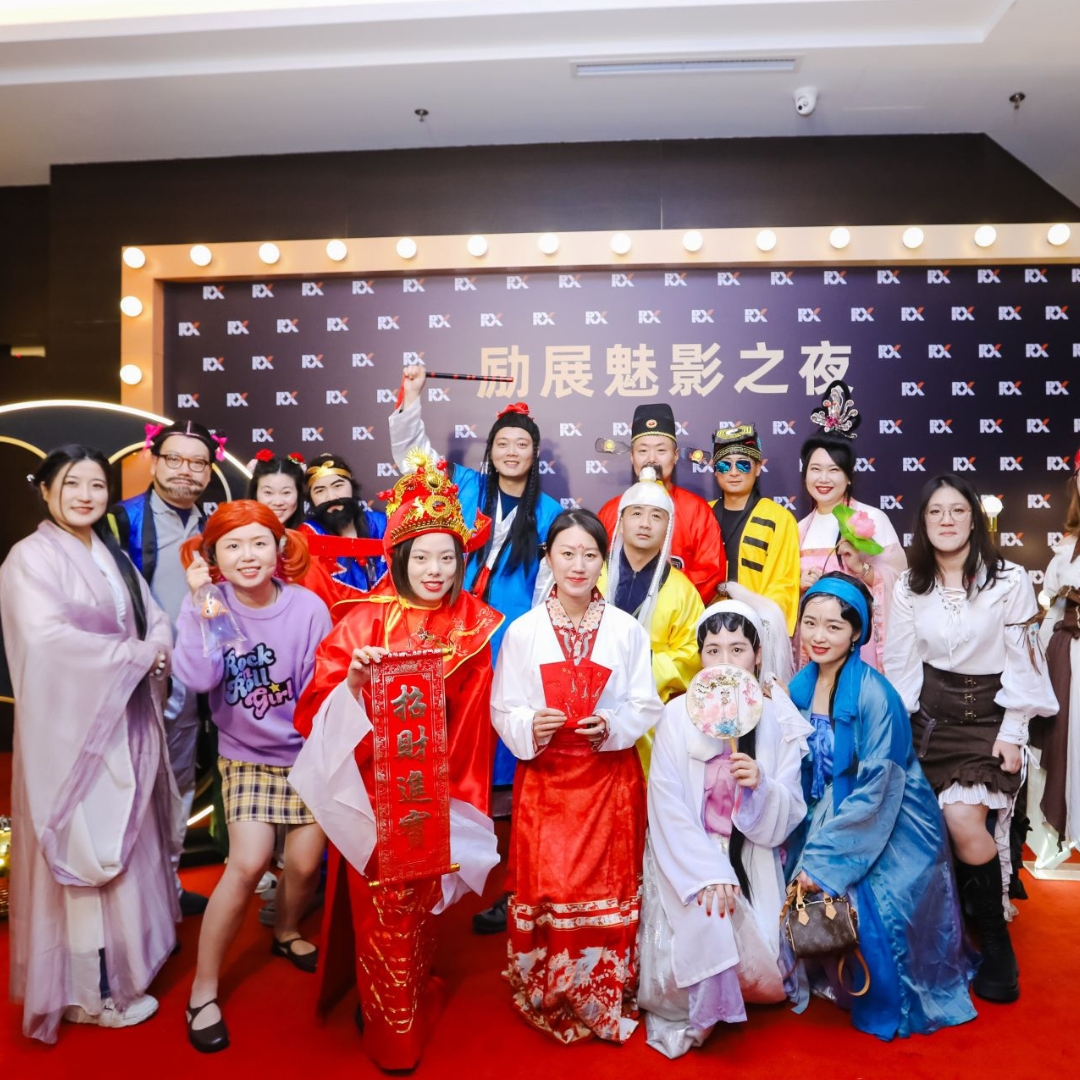
We thrive on the rich tapestry of backgrounds, ideas, and experiences that make us who we are. Inclusivity isn't a buzzword; it's our commitment.

Lending a hand.
At RX we strive to make the world around us better through our dedication to sustainability, innovation and support to our local communities

Stay in the loop.
Uncover the latest buzz and behind-the-scenes tales in our press releases and RX stories. From groundbreaking innovations to the faces behind our success, each story is a chapter in our vibrant narrative
Net Zero
by 2040!
At RX we are serious about sustainability, which is why we signed the ‘Net Zero Carbon Events' pledge in 2021 and have formed a dedicated Sustainability Council.
By 2030, we aim to cut our greenhouse gas emissions in half and achieve net zero by 2040 and we’ve already made a good start!

Become an RXer.
Whether you're a seasoned pro or just starting out, we provide avenues for personal and professional development. If you're ambitious, committed, and excited to make a difference, we can't wait to connect with you. Join our team and be part of the RX magic🚀

The RX values.
At RX, we live by our NIMBLE culture, fueled by six core values: Networked, Inclusive, Magical, Love of Learning, and Entrepreneurial. These values not only keep us on track but also unite us in pursuit of shared goals.

Meet our leaders.
Our dynamic team of experienced and visionary leaders thrives on a collective passion for our business. United, we ignite a blend of expertise and creativity to fuel innovation and conquer our objectives.

RXtra.
Keep up to date with the latest RX and event news with our Linkedin Newsletter.